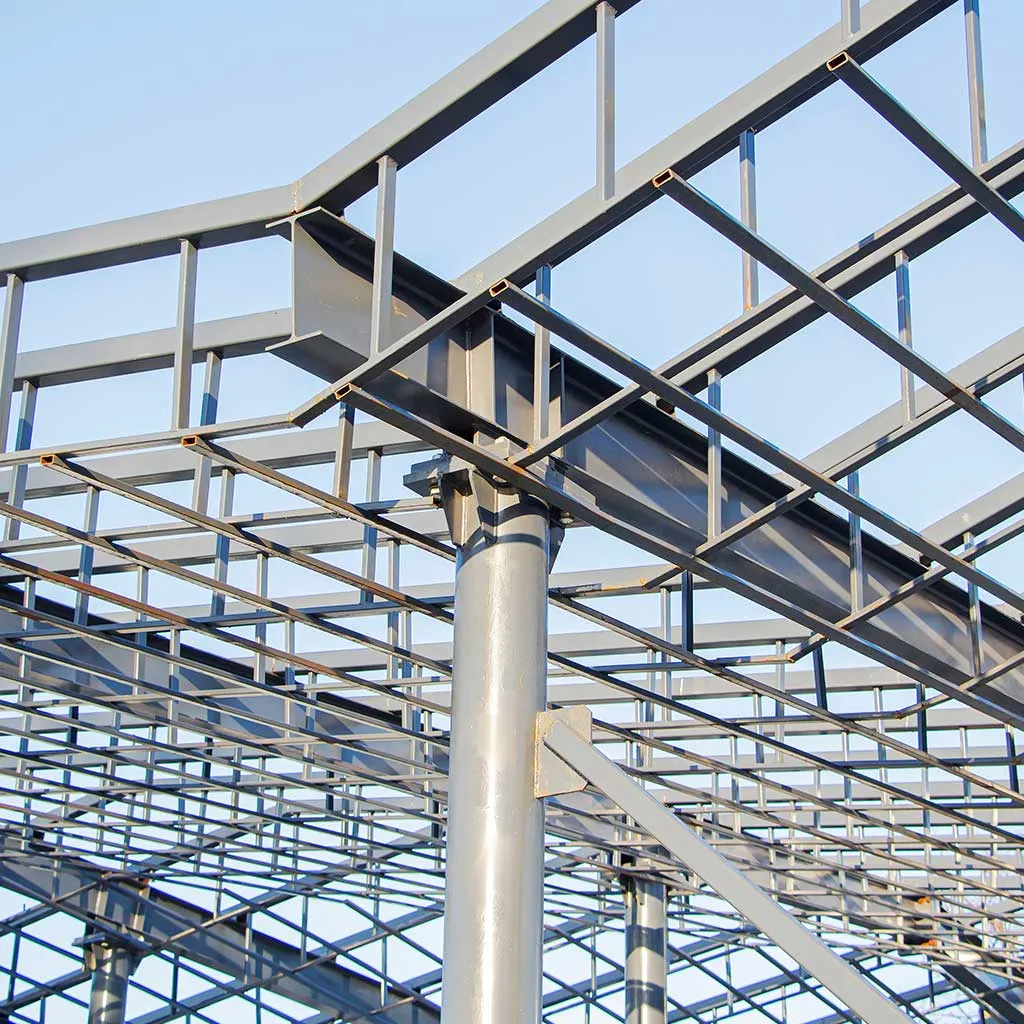
Industrial steel production enters an exciting period as automation, smarter machinery, and sustainable materials reshape factory operations. Businesses expect faster production, tighter tolerances, and dependable structural components across major projects.
Over the next decade, every Riyadh steel company will face growing pressure to adopt modern technology while meeting rising standards in quality, safety, and efficiency.
Greater use of automation
Robotic welding, automated cutting systems, and computer-controlled machinery gain wider use across fabrication facilities. These technologies help production teams achieve consistent measurements and reduce errors during repetitive tasks.
Automated equipment also improves output while allowing workers to focus on complex assembly and inspection duties. Fabricators invest in connected machines that share production data and support faster decisions across workshop operations.
Smarter design and digital tools
Three-dimensional modeling and digital design software give engineers a clearer view of steel components before production starts. Teams identify measurement conflicts, test structural connections, and review assembly details through accurate digital models.
Building Information Modelling also improves coordination between architects, engineers, and fabricators. Better digital records help workshops manage revisions and reduce material waste during demanding projects.
Demand for sustainable production
Environmental standards encourage fabricators to reduce energy use, scrap metal, and industrial waste. Many facilities explore recycled steel, efficient machinery, and improved material recovery systems. Solar power and energy monitoring tools also support cleaner workshop operations.
Clients increasingly value suppliers who report material origins and demonstrate responsible production practices alongside dependable product quality.
Advanced materials and protective finishes
Industrial projects require steel components that withstand heat, moisture, chemicals, and heavy loads. Fabricators explore advanced alloys, improved coatings, and corrosion-resistant finishes to meet demanding operating conditions.
Better surface treatments extend component service life and reduce maintenance expenses. Material testing also helps engineers select suitable steel grades according to structural loads and environmental exposure.
Greater focus on workforce expertise
Modern machinery still requires people who understand engineering drawings, quality standards, and production controls. Fabrication companies invest in technical training covering robotics, digital inspection, welding procedures, and equipment maintenance.
Teams combine practical workshop knowledge with new technical capabilities. Strong safety programmes also help workers manage automated machinery and demanding industrial tasks responsibly.
The next decade rewards fabricators who combine technology, responsible production, and dependable workmanship. Clients gain better production accuracy, improved material efficiency, and stronger quality control. Industrial steel companies that invest in modern equipment and workforce development position themselves to meet increasingly demanding construction and manufacturing requirements.